
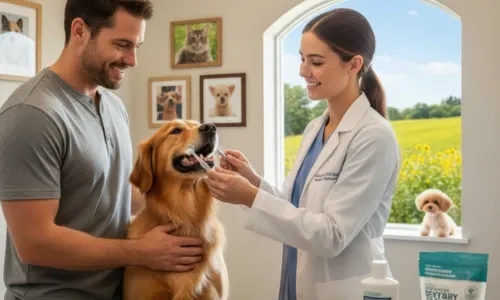
Understanding Your Pet's Dental Health
When pet owners think about keeping their dog or cat healthy, they often focus on vaccinations, nutrition, exercise, and routine wellness visits. While these are all critical parts of good preventive care, one major area is frequently overlooked: dental health.
Dental disease is one of the most common medical conditions affecting pets, and it can begin much earlier than many people realize. By three years of age, most dogs and cats already show some degree of dental disease. Without proper care, oral problems can progress quietly, causing pain, infection, and even damage to vital organs.
At Sunshine Hills Veterinary Clinic, we emphasize dental health as a core part of your pet's overall wellness plan. Understanding why dental care matters and how to maintain it can add years to your pet's life and greatly improve their comfort and quality of living.
Why Dental Health Matters More Than Just Fresh Breath
Your pet's mouth is home to millions of bacteria. When plaque builds up on the teeth, it hardens into tartar, creating an environment where harmful bacteria thrive. Over time, these bacteria irritate the gums and cause inflammation, leading to infection and tissue damage.
But dental disease doesn't stop at the mouth.
Bacteria from infected gums can enter the bloodstream and travel to major organs, including:
1️⃣ The heart 2️⃣ The liver
3️⃣ The kidneys 4️⃣ The lungs
This process, called bacteremia, can contribute to serious systemic illness and shorten your pet's lifespan. Good oral care isn't just about protecting teeth it's about protecting your pet's entire body.
⚠️ Common Dental Problems in Dogs and Cats
1 Gingivitis
Gingivitis is the earliest stage of dental disease and involves inflammation of the gums. Gums may appear red, swollen, and tender. At this stage, damage is still reversible with proper treatment and home care.
2 Periodontal Disease
If gingivitis is left untreated, it can progress into periodontal disease. This condition affects the tissues and bone that support the teeth. Teeth may become loose, painful, or infected, and extractions may be necessary.
3 Tooth Fractures and Wear
Chewing on hard toys, bones, or other objects can crack or fracture teeth. Even small fractures can expose sensitive inner structures, leading to pain and infection.
4 Tooth Root Abscesses
Infections at the root of a tooth can cause swelling of the face or jaw, drainage, fever, and severe discomfort. These cases require prompt veterinary treatment.
🩺 Signs Your Pet May Have Dental Disease
Pets are very good at hiding pain, so dental problems often go unnoticed until they become advanced. Watch for these warning signs:
✔ Persistent bad breath ✔ Yellow or brown tartar on teeth
✔ Red or bleeding gums ✔ Dropping food while eating
✔ Chewing on one side of the mouth ✔ Pawing at the mouth
✔ Decreased appetite ✔ Swelling around the face or jaw
If you notice any of these signs, it's important to schedule a dental evaluation as soon as possible.
🛡️ What Happens During a Professional Dental Cleaning?
Professional dental cleanings are performed under general anesthesia to ensure your pet's safety and comfort. This allows the veterinary team to clean thoroughly below the gumline, where most disease begins.
A typical dental procedure includes:
- Full oral examination
- Scaling to remove plaque and tartar
- Polishing to smooth tooth surfaces
- Dental X-rays when indicated
- Tooth extractions if needed
- Pain management and monitoring
Anesthesia is carefully tailored to each patient, and your pet is closely monitored throughout the procedure.
Professional dental care not only treats existing disease but also helps prevent future problems.
😊 The Importance of At-Home Dental Care
While professional cleanings are essential, what you do at home plays a major role in keeping your pet's mouth healthy.
Daily or Regular Brushing
Brushing is the gold standard for home dental care. Use only pet-safe toothpaste and a soft toothbrush or finger brush. Start slowly and reward your pet to create a positive experience.
Dental Chews and Treats
Veterinary-approved dental chews can help reduce plaque and tartar buildup between brushings.
Dental Diets
Some prescription or specialty diets are designed to promote oral health by mechanically cleaning the teeth as your pet chews.
Water Additives
Certain additives can help reduce bacteria in the mouth and support fresher breath.
Your veterinary team can recommend the best products for your pet's specific needs.
✨ Protect Your Pet's Smile Today ✨
Dental health is not optional it is a vital part of preventive veterinary care. By taking a proactive approach to oral hygiene, you can protect your pet from pain, infection, and serious systemic illness while giving them the best chance at a long, happy life. If you have questions about your pet's dental health or would like to schedule an evaluation, our team is here to help.