
Stress in Pets: Hidden Triggers, Health Impacts, and How to Create a Calmer Life
When we think about pet health, we often focus on physical conditions but emotional well-being plays an equally important role. Stress and anxiety in pets are more common than many owners realize, and they can have serious effects on overall health.
Understanding stress in pets and how to manage it can significantly improve their quality of life.
🐾 What Causes Stress in Pets?
Pets thrive on routine and familiarity. Even small changes can create stress.
Common triggers include:
- Moving to a new home
- Changes in routine
- Loud noises (fireworks, construction)
- New pets or family members
- Separation from owners
- Veterinary visits
Each pet reacts differently depending on personality and past experiences.
⚠️ Signs Your Pet May Be Stressed
Stress doesn’t always look obvious. Watch for:
- Excessive barking or meowing
- Destructive behavior
- Hiding or withdrawal
- Loss of appetite
- Over-grooming
- Restlessness
These behaviors are often misunderstood as “bad behavior,” when they’re actually signs of emotional distress.
🩺 How Stress Affects Physical Health
Chronic stress can lead to:
- Weakened immune system
- Digestive problems
- Skin conditions
- Behavioral disorders
- Reduced lifespan
Just like humans, pets need emotional balance to stay physically healthy.
🏠 Creating a Low-Stress Environment
1. Maintain Routine
Feeding, walks, and playtime should happen at consistent times each day.
2. Provide Safe Spaces
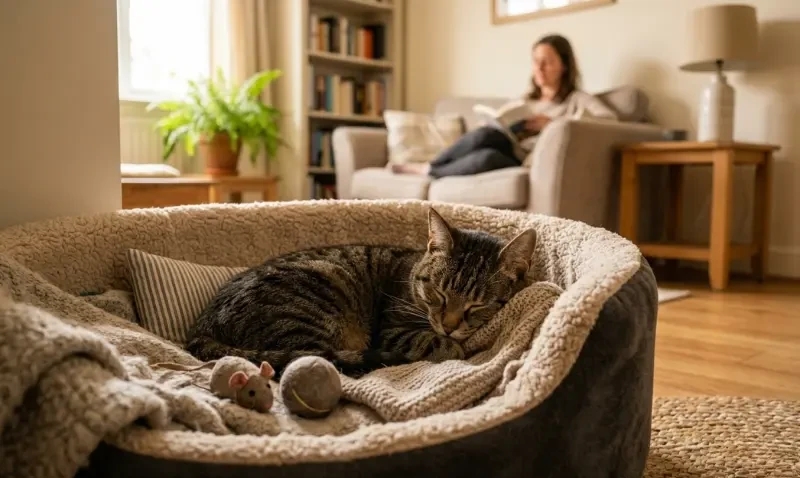
Give your pet a quiet, comfortable area where they can relax without disturbances.
3. Encourage Mental Stimulation
Toys, puzzles, and interaction help reduce boredom and anxiety.
4. Use Positive Reinforcement
Reward calm behavior rather than punishing stress-related actions.
5. Gradual Exposure to Change
Introduce new environments or experiences slowly to avoid overwhelming your pet.
🐶 When to Seek Veterinary Support
If stress symptoms persist, professional guidance is important.
Veterinary teams can:
- Rule out underlying medical issues
- Recommend behavioral strategies
- Suggest calming aids or treatments if needed
🔬 The Link Between Stress and Preventive Care
Regular wellness visits help monitor not only physical health but also behavioral patterns. Veterinarians can identify stress-related concerns early and provide solutions tailored to your pet.
❤️ Building a Stronger Bond
Reducing stress doesn’t just improve health, it strengthens the bond between you and your pet. A calm, happy pet is more engaged, affectionate, and confident.
📌 Final Thoughts
Stress is often invisible, but its effects are very real. By recognizing triggers, observing behavior, and creating a supportive environment, you can help your pet live a calmer, healthier life.
Because emotional wellness is just as important as physical health.