
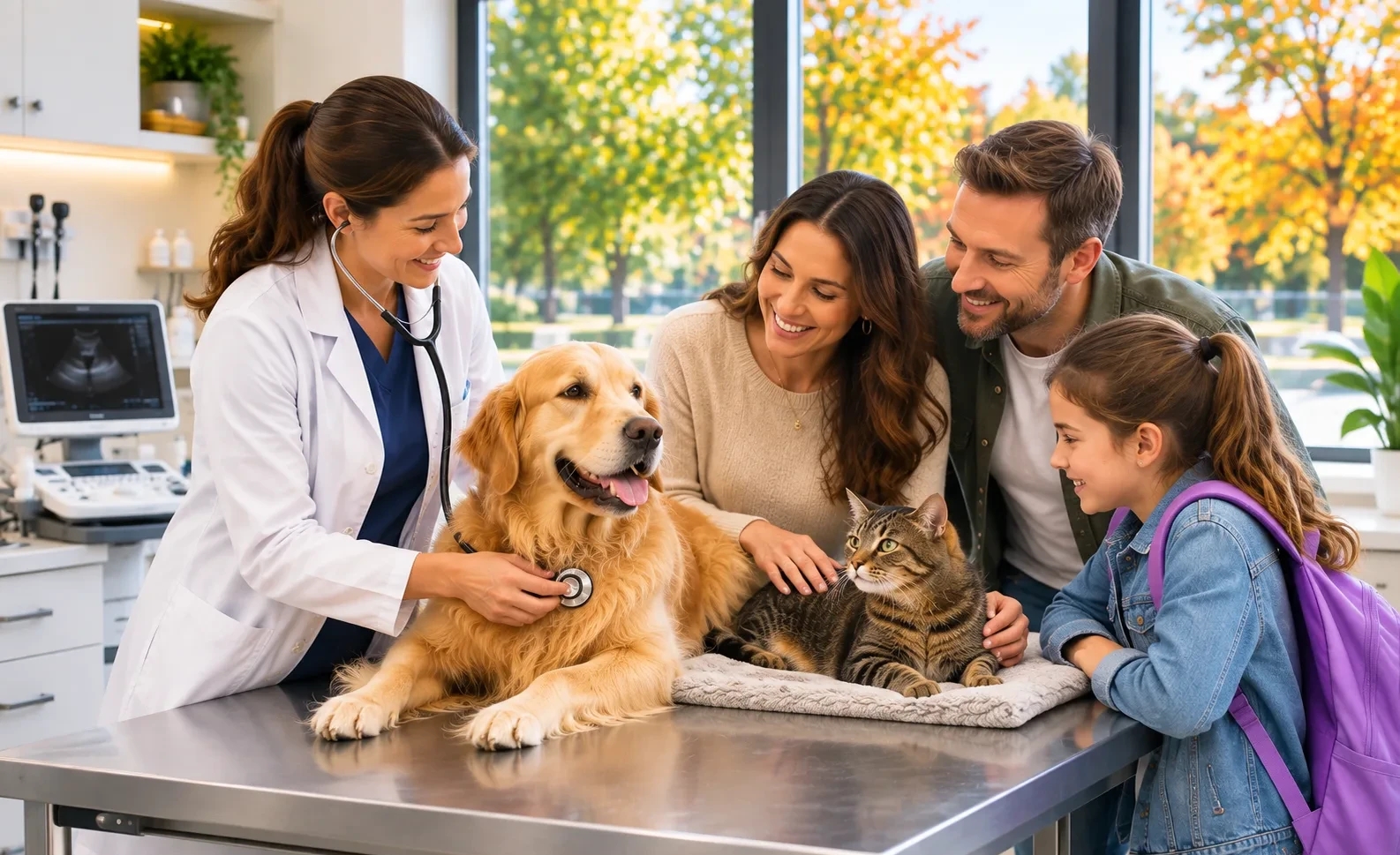
Smart Wellness Strategies for Dogs and Cats Before the Busy Season Returns
As summer vacations come to an end and families begin settling back into school and work routines, pets experience many of the same seasonal changes that affect their owners. While people often look forward to a return to structure, dogs and cats can find these changes confusing. A once-busy home suddenly becomes quiet, familiar playtimes become less frequent, and feeding or walking schedules may shift without warning.
For many pets, these adjustments are temporary. Others, however, may develop behavioural changes, anxiety, or health concerns that deserve attention. Autumn is also an ideal time to focus on preventive veterinary care, ensuring your pets are physically healthy before cooler weather and increased indoor living become part of everyday life.
By combining emotional support with routine wellness care, families can help their pets transition into the new season comfortably. Whether your dog struggles with separation anxiety after the children return to school, your cat seems unsettled by changing household activity, or you're planning a seasonal wellness examination, proactive care helps set the stage for a healthier year ahead.
Seasonal Transitions Affect Both Physical and Emotional Health
Pets may not understand calendars, but they certainly recognize changes in routine. Dogs quickly notice when morning walks become shorter or when family members leave the house earlier. Cats observe subtle shifts in household activity, daily noise levels, and feeding schedules.
These changes can influence both behaviour and physical health. Stress may contribute to digestive upset, reduced appetite, excessive grooming, or changes in sleep patterns. At the same time, late summer and early fall remain active seasons for parasites, making preventive care just as important as behavioural support.
Looking at your pet's overall wellness instead of focusing on a single issue helps ensure no concerns are overlooked.
Helping Dogs Feel Comfortable When Summer Ends
Many dogs spend summer enjoying constant companionship. Family vacations, children at home, outdoor adventures, and longer daylight hours provide increased interaction and stimulation.
When those experiences suddenly disappear, some dogs struggle to adapt.
Separation anxiety develops when dogs become distressed while left alone. Although it can occur at any time of year, it commonly appears after extended periods of increased family interaction.
Signs may include:
- Continuous barking after owners leave
- Chewing furniture or household items
- Digging at doors or windows
- Restlessness
- House-soiling despite previous training
- Refusing food while alone
- Excessive panting or drooling
- Following family members from room to room
These behaviours are often expressions of fear rather than intentional misbehaviour.
Build Confidence Through Gradual Independence
Helping dogs become comfortable alone should happen gradually whenever possible.
Rather than immediately leaving for an entire workday, practice shorter departures while rewarding calm behaviour upon return.
This teaches your dog that being alone is temporary and safe.
Consistency plays a major role in successful adjustment.
Maintain Daily Exercise
Physical activity remains one of the most effective tools for reducing stress.
Morning walks, games of fetch, scent work, obedience practice, and puzzle toys all help burn excess energy while providing mental stimulation.
A mentally satisfied dog is generally more relaxed throughout the day.
Avoid Reinforcing Anxiety
Although comforting anxious dogs feels natural, excessive reassurance immediately before leaving can unintentionally reinforce nervous behaviour.
Instead, create calm departures and arrivals.
Allow your dog to settle naturally before offering enthusiastic greetings.
This approach encourages emotional stability over time.
Helping Cats Adapt to Family Schedule Changes
Cats often respond differently than dogs when routines change.
Rather than vocalizing or displaying obvious anxiety, many cats quietly alter their behaviour.
Some become withdrawn, while others seek additional attention.
Cats appreciate predictable environments. Changes in household traffic, sleeping arrangements, feeding schedules, or visitor activity may temporarily affect their confidence.
Signs that your cat may be adjusting to seasonal routine changes include:
- Hiding more frequently
- Sleeping in unusual locations
- Increased vocalization
- Reduced interest in play
- Changes in appetite
- Litter box accidents
- Excessive grooming
- Irritability toward people or other pets
Recognizing these behaviours early allows owners to provide reassurance before stress becomes chronic.
Preserve Familiar Routines
Cats thrive on consistency.
Whenever possible:
- Feed meals at the same times each day.
- Keep litter boxes in familiar locations.
- Maintain regular play sessions.
- Avoid moving sleeping areas.
- Continue evening interaction even after school resumes.
Small efforts to preserve routine often reduce stress significantly.
Create Enriching Indoor Environments
As temperatures gradually cool, many cats spend more time indoors.
Interactive toys, climbing trees, scratching posts, food puzzles, and window perches encourage healthy physical and mental stimulation.
Changing toys periodically also helps maintain curiosity and engagement.
Why Every Dog Benefits From an End-of-Summer Wellness Examination
Wellness examinations are designed to identify problems before they become serious.
Even healthy-looking dogs can develop medical conditions without obvious symptoms.
Scheduling a veterinary visit before autumn provides an opportunity to evaluate your dog's overall health while updating preventive care recommendations.
A comprehensive wellness examination may include:
- Full physical examination
- Weight and body condition assessment
- Dental evaluation
- Heart and lung assessment
- Skin and coat inspection
- Joint mobility evaluation
- Ear and eye examination
- Vaccination review
- Nutritional counseling
- Parasite prevention planning
These appointments provide valuable baseline information that supports long-term health.
Preparing Active Dogs for Cooler Weather
Many families become more active outdoors during autumn.
Long hikes, neighborhood walks, camping trips, and weekend adventures become increasingly popular once summer heat fades.
Dogs returning to higher activity levels should increase exercise gradually.
Veterinarians can also identify early arthritis, muscle weakness, obesity, or cardiovascular concerns that could limit activity if left untreated.
Preventive Care Supports Healthy Aging
Routine veterinary visits become increasingly valuable as dogs grow older.
Senior pets often experience gradual changes that owners mistake for normal aging.
Regular examinations allow veterinarians to identify manageable conditions early, improving quality of life while extending healthy years.
Parasite Prevention Should Continue Into Fall
One of the most common misconceptions among pet owners is that parasites disappear once summer ends.
Unfortunately, fleas, ticks, mosquitoes, and intestinal parasites frequently remain active well into autumn.
Late-season parasite prevention protects pets before environmental conditions become less favorable for parasite survival.
Stopping preventive medications too early leaves pets vulnerable.
Why Cats Need Regular Deworming
Cats can become infected through surprisingly common activities.
Outdoor hunting, contact with wildlife, contaminated soil, fleas, and even bringing prey indoors all increase parasite exposure.
Indoor cats are not immune either.
Parasite eggs can enter homes on shoes, clothing, or other pets.
Routine deworming recommendations depend on your cat's:
- Lifestyle
- Age
- Health status
- Exposure risk
- Household environment
Your veterinarian can recommend an individualized prevention schedule.
Symptoms That May Suggest Intestinal Parasites
Parasites sometimes remain unnoticed for months.
Possible warning signs include:
- Vomiting
- Diarrhea
- Weight loss
- Pot-bellied appearance
- Poor coat condition
- Scooting
- Visible worms in stool
- Reduced energy
- Increased appetite without weight gain
Many infected cats appear completely normal, making routine fecal testing especially valuable.
Protecting Your Entire Household
Some intestinal parasites affecting pets can also infect people.
Young children, older adults, and individuals with weakened immune systems may face greater risks.
Simple preventive measures help reduce household exposure:
- Wash hands after cleaning litter boxes.
- Dispose of pet waste promptly.
- Keep litter boxes clean.
- Maintain flea prevention.
- Follow veterinarian-recommended deworming schedules.
- Schedule routine fecal examinations.
These habits contribute to healthier homes for everyone.
Creating Healthy Routines for the New Season
Seasonal preparation goes beyond veterinary appointments.
Healthy habits established during late summer often continue throughout the rest of the year.
Focus on:
- Consistent feeding schedules
- Daily exercise
- Mental enrichment
- Routine grooming
- Parasite prevention
- Fresh drinking water
- Preventive veterinary care
- Positive reinforcement training
These simple routines strengthen both physical and emotional health.
When Behaviour Changes Signal Something More Serious
Although temporary adjustments are normal, persistent behavioural changes should never be ignored.
Schedule a veterinary appointment if your pet experiences:
- Ongoing appetite loss
- Weight changes
- Persistent vomiting or diarrhea
- Severe anxiety
- Continuous hiding
- Increased aggression
- Difficulty walking
- Excessive scratching
- Chronic coughing
- Major litter box changes
Many medical conditions first appear as subtle behavioural changes.
Early diagnosis provides the greatest opportunity for successful treatment.
Partnering With Your Veterinary Team Throughout Every Season
Your veterinarian serves as an important partner in your pet's lifelong health.
Routine examinations provide opportunities to discuss nutrition, behaviour, preventive care, parasite control, vaccinations, dental health, and lifestyle recommendations tailored specifically to your pet.
Open communication allows small concerns to be addressed before they become larger medical problems.
No two pets are exactly alike, which is why personalized veterinary care remains essential.
Welcome the Fall Season With Healthy, Happy Pets
The transition from summer to autumn represents much more than changing weather. It brings new schedules, different household routines, increased outdoor opportunities, and important preventive healthcare considerations for both dogs and cats.
By helping your dog adjust to spending more time alone, supporting your cat through household routine changes, scheduling an end-of-summer wellness examination, and maintaining year-round parasite prevention, you can make the seasonal transition smoother and healthier for every member of your family.
Preventive care is one of the greatest gifts you can give your pets. Addressing behavioural concerns early, monitoring physical health through routine veterinary examinations, and staying proactive with parasite prevention all contribute to a longer, healthier, and happier life.
At Sunshine Veterinary Hospital, we are dedicated to providing compassionate, comprehensive care for dogs and cats throughout every season. Whether your pet needs a wellness examination, behavioural guidance, parasite prevention, or personalized healthcare recommendations, our experienced veterinary team is here to help your furry family members enjoy every stage of life with confidence, comfort, and exceptional health.