
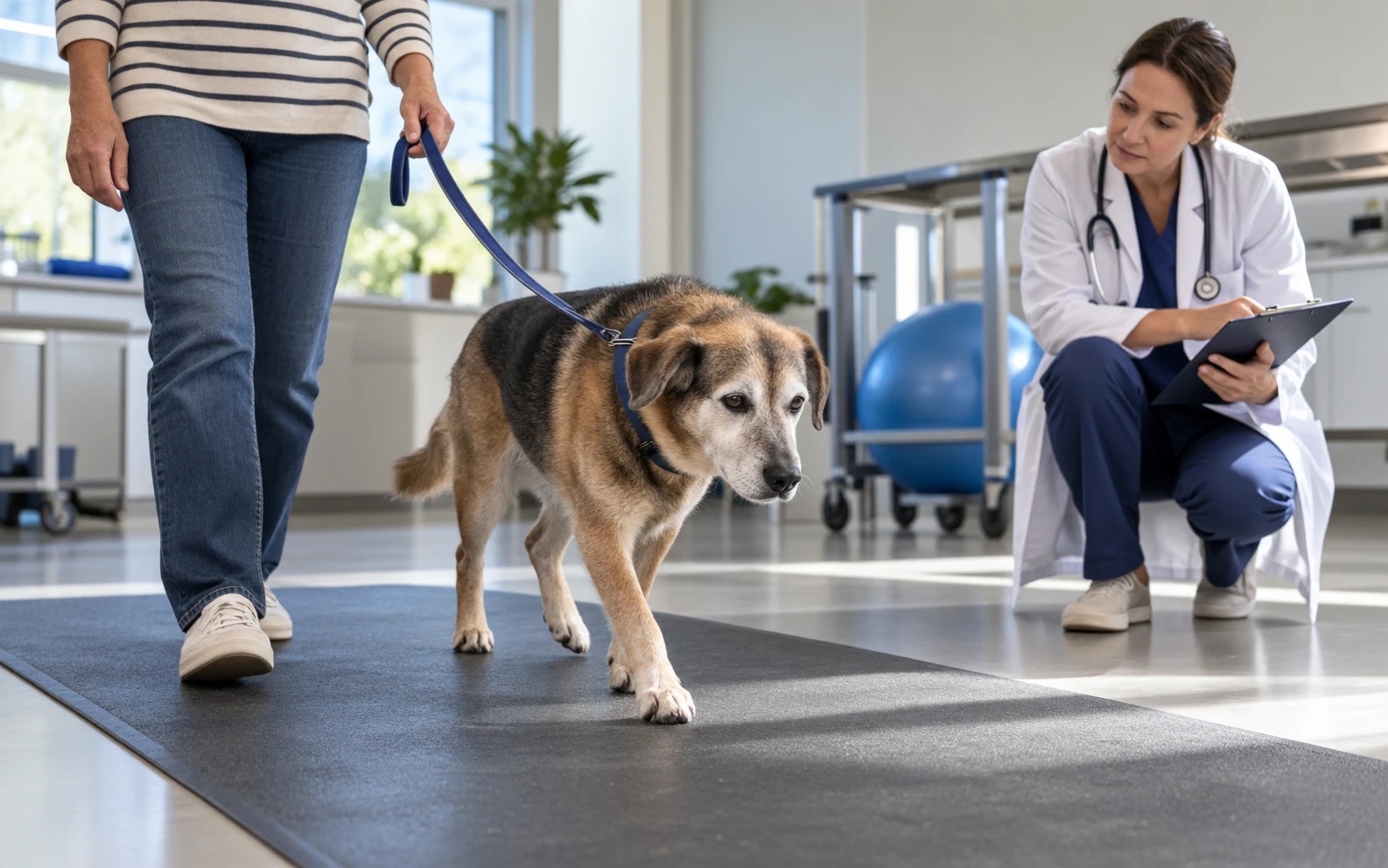
Senior Dog Arthritis: How to Spot Joint Pain and Improve Mobility
A senior dog who suddenly hesitates before climbing the stairs, takes longer to stand up, or no longer jumps onto the couch may not simply be "getting old." Arthritis in senior dogs can cause persistent joint pain, stiffness, and reduced mobility that gradually changes how a dog moves, plays, sleeps, and interacts with the family. Because these changes can develop slowly, pet parents may overlook the early warning signs.
Recognizing those subtle changes matters. With veterinary guidance, appropriate pain management, weight control, exercise adjustments, and changes around the home, many dogs with arthritis can continue enjoying a comfortable and active senior life.
What Is Arthritis in Senior Dogs?
Arthritis is a general term describing inflammation and changes affecting one or more joints. One of the most common forms in dogs is osteoarthritis, also called degenerative joint disease. Healthy joints contain cartilage that helps bones move smoothly against one another. When cartilage and other joint structures deteriorate, movement can become less comfortable, and inflammation may contribute to ongoing pain and stiffness.
Canine osteoarthritis is generally progressive, meaning joint changes can worsen over time rather than simply disappearing on their own. Although arthritis is commonly associated with older dogs, age itself is not the only factor involved.
What Causes Osteoarthritis in Dogs?
Some dogs have a greater risk of developing osteoarthritis because of their genetics, body structure, previous injuries, or underlying orthopedic problems.
Potential contributing factors include:
- Increasing age
- Previous joint or ligament injuries
- Hip or elbow dysplasia
- Patellar problems
- Joint instability
- Certain developmental orthopedic conditions
- Excess body weight
- Repetitive stress on joints
- Previous joint surgery
- Genetics and breed-related predisposition
Large and giant breeds may be particularly vulnerable to certain orthopedic conditions, but arthritis can affect dogs of virtually any size or breed. A small senior dog that becomes reluctant to use stairs deserves just as much attention as a large dog struggling to stand.
Early Signs of Arthritis in Dogs
One of the biggest challenges with arthritis in senior dogs is that the first symptoms may be easy to mistake for normal aging. Dogs also cannot tell us where or how much something hurts. Pet parents therefore need to watch for changes in movement, routine, posture, and behavior.
1. Stiffness After Rest
A dog may appear particularly stiff after waking up in the morning or getting up after a long nap. You might notice slow, careful first steps before movement becomes easier.
2. Difficulty Getting Up
Watch how your dog rises from a bed, rug, or floor. Repeated attempts to stand, pushing heavily with the front legs, or taking noticeably longer to rise can indicate discomfort or reduced mobility.
3. Reluctance to Climb Stairs
A dog that previously ran upstairs may begin pausing at the bottom, climbing slowly, or avoiding stairs completely. Changes in everyday activities are often more informative than waiting for obvious limping.
4. Less Interest in Jumping
Dogs experiencing joint discomfort may stop jumping onto beds, couches, or into vehicles. Some will stand beside the furniture waiting for assistance rather than attempting the jump.
5. Limping or Altered Gait
A limp may be obvious, but sometimes the change is subtle. You may notice shorter steps, uneven movement, stiffness, slower walking, or a change in how the dog distributes weight.
6. Shorter Walks
A senior dog with joint pain may still become excited when the leash appears but tire or slow down sooner than before. The dog might stop frequently, lag behind, or appear reluctant to continue.
7. Reduced Interest in Play
Arthritis does not necessarily eliminate a dog's desire to play. Instead, the dog may avoid movements that have become uncomfortable, such as chasing a ball, making sharp turns, wrestling, or jumping.
8. Behavioral Changes
Pain can affect behavior as well as movement. A previously social dog may become withdrawn, restless, irritable, less tolerant of handling, or protective when certain areas are touched.
9. Changes in Muscle Condition
Reduced use of a painful limb can eventually contribute to muscle loss. Pet parents may notice that one leg looks thinner or that the muscles around the hindquarters are less prominent.
How Can I Tell If My Senior Dog Has Arthritis?
Observing your dog at home is useful, but arthritis should not be diagnosed based on age or stiffness alone. Several medical and orthopedic conditions can cause similar symptoms.
A veterinarian may evaluate:
- Medical and mobility history
- Changes noticed at home
- Walking and gait
- Joint range of motion
- Pain or sensitivity
- Joint swelling or thickening
- Muscle condition
- Posture
- Previous orthopedic injuries
Depending on the findings, diagnostic imaging such as X-rays may be recommended. Veterinary teams may also recommend additional testing when needed to rule out other causes of pain, weakness, or mobility changes.
Arthritis or Normal Aging: What's the Difference?
This is an important distinction for senior dog owners. Aging can naturally change activity levels and endurance, but persistent pain and significant mobility difficulty should not automatically be considered an unavoidable part of getting older. For example, imagine a 12-year-old dog named Max.
Max sleeps more than he did at age four, which may be expected. But if Max suddenly needs several attempts to stand, avoids the stairs, and begins refusing walks he previously enjoyed, those changes deserve veterinary attention. Rather than asking only, "Is my dog getting older?" ask: "Has my dog's ability or willingness to perform normal activities changed?" That question can make subtle arthritis symptoms easier to recognize.
Dog Arthritis Pain Management
There is no single pain-management strategy that is appropriate for every dog. Managing arthritis in senior dogs is often multimodal, meaning several approaches may be used together to reduce discomfort, maintain mobility, and support quality of life.
Veterinary Pain Management
Depending on a dog's health, examination findings, and severity of arthritis, a veterinarian may discuss prescription medications or other veterinary therapies. Treatment needs to be individualized because senior dogs may have other medical conditions that influence medication choices and monitoring requirements. Never give a dog human pain medication unless a veterinarian specifically instructs you to do so. Some commonly used human medications can be dangerous for pets.
Weight Management
Maintaining an appropriate body condition is particularly important for dogs with joint problems.
Excess weight places additional mechanical stress on joints and can make comfortable movement more difficult.
Weight management may involve:
- Measuring daily food portions
- Limiting high-calorie treats
- Selecting an appropriate diet with veterinary guidance
- Monitoring body weight regularly
- Assessing body condition rather than relying only on the scale
- Adjusting calories as activity levels change
Even seemingly small improvements in body condition may make everyday movement easier for some dogs.
Exercise for Senior Dogs With Arthritis
It may seem logical to stop exercising a dog with painful joints, but complete inactivity can also contribute to loss of muscle strength and mobility. The goal is usually controlled, appropriate movement rather than strenuous activity or prolonged inactivity.
Depending on veterinary recommendations, suitable activities may include:
- Short, comfortable walks
- Multiple shorter walks instead of one long outing
- Controlled leash exercise
- Gentle mobility exercises
- Veterinary rehabilitation
- Hydrotherapy or underwater treadmill sessions when appropriate
Avoid suddenly introducing intense exercise to a dog that has been relatively inactive. A dog that seems comfortable during an activity but becomes significantly stiffer afterward may have done too much.
How Can I Help My Senior Dog With Arthritis at Home?
Small environmental modifications can make daily life much easier for an arthritic dog.
Improve Floor Traction
Hardwood, tile, and other slippery surfaces can be challenging for dogs with weak or painful joints.
Consider using:
- Non-slip rugs
- Carpet runners
- Traction mats
- Secure floor coverings
Place them along routes your dog frequently uses, particularly near beds, food bowls, doorways, and stairs.
Provide Supportive Bedding
A comfortable bed can provide a supportive resting area for an older dog's joints. Choose a bed that is easy to enter and exit rather than one requiring the dog to climb over a high edge.
Use Ramps When Appropriate
A stable ramp may reduce the need to repeatedly jump into vehicles or onto permitted furniture.
Make sure the ramp has good traction and an appropriate incline.
Make Food and Water Easy to Reach
Your senior dog should not need to cross slippery floors or navigate stairs every time they need water. Keep essential resources easily accessible.
Maintain Nail and Paw Care
Overgrown nails can affect how a dog contacts the ground and may interfere with traction. Regular nail care and appropriate paw maintenance can therefore form part of a broader mobility-support plan.
What Can I Give My Senior Dog for Arthritis Pain?
This is one of the most important questions to discuss with a veterinarian rather than treating through trial and error. Treatment options vary considerably depending on the individual dog.
A veterinarian may consider factors such as:
- Severity and location of joint disease
- Age
- Body weight
- Kidney and liver health
- Other medications
- Gastrointestinal history
- Other chronic diseases
- Current mobility and quality of life
Veterinary recommendations may include prescription pain management, rehabilitation, dietary strategies, weight management, joint-support approaches, or a combination of therapies. Supplements are not automatically harmless simply because they are sold without a prescription. Discuss products, ingredients, dosing, and potential interactions with your veterinarian before giving them to your dog.
Monitoring Arthritis in Senior Dogs
Arthritis management should change as your dog's needs change. Keeping a simple mobility record can help you recognize gradual improvement or deterioration that may otherwise be difficult to notice.
Track things such as:
- Time needed to stand
- Ability to use stairs
- Length of comfortable walks
- Frequency of limping
- Interest in playing
- Ability to enter a vehicle
- Sleep quality
- Appetite
- Mood and social interaction
- Good days versus difficult days
Taking occasional short videos of your dog walking and standing can also provide useful information to discuss during veterinary appointments.
When Should a Senior Dog See a Veterinarian?
Schedule an examination when you notice persistent or recurring changes in your dog's mobility or behavior.
Signs worth discussing include:
- New or persistent limping
- Difficulty standing
- Reluctance to walk
- Trouble climbing stairs
- Sudden refusal to jump
- Pain when touched
- Significant behavioral changes
- Reduced activity
- Muscle loss
- Worsening stiffness
Some symptoms require more urgent evaluation. Sudden inability to stand, severe pain, collapse, significant weakness, trauma, or sudden inability to use a limb should not simply be assumed to be arthritis. Seek prompt veterinary guidance.
Can Arthritis in Senior Dogs Be Cured?
Degenerative osteoarthritis generally cannot be reversed to restore a joint completely to its original condition. However, that does not mean nothing can be done. The practical goal is to control pain, preserve comfortable movement, maintain muscle function, and protect the dog's quality of life for as long as possible. Earlier recognition can provide more opportunity to establish a management plan before mobility becomes severely limited.
Helping Your Senior Dog Stay Comfortable
Watching an older dog slow down can be difficult, but slowing down does not mean discomfort should simply be accepted as part of aging. Early recognition of arthritis in senior dogs can open the door to better pain management, safer exercise, weight control, home modifications, and individualized veterinary care.
Pay attention to small changes: hesitation before stairs, slower rising, shorter walks, or a new reluctance to jump. These everyday behaviors can provide valuable clues about how comfortable your dog really feels.
If your senior dog is showing persistent stiffness, mobility changes, or signs of joint pain, schedule a veterinary evaluation and discuss a personalized arthritis management plan. The goal is not necessarily to make an older dog move like a puppy again it is to help them keep doing the activities they enjoy as comfortably and safely as possible.